
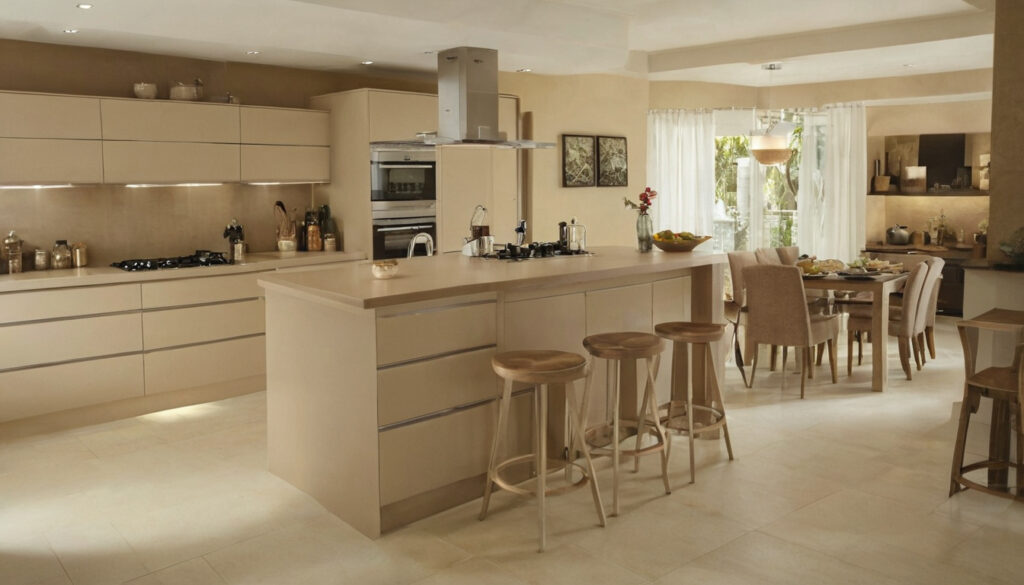
Why can two quotations for the same Dubai kitchen differ sharply when both suppliers appear to offer the same result? The uncomfortable answer is that the cheapest bid is often the least complete bid. Until materials, quantities and responsibilities are normalised, the totals do not describe equivalent kitchens.
A like-for-like custom kitchen quotation compares scope before price
Two kitchen quotations are comparable only when both respond to the same approved plans, dimensions, specification and revision date. Convert exclusions, allowances, taxes and client-supplied items into a common scope before judging price.
Which documents should every Dubai kitchen bidder receive?
Issue one controlled tender pack to every bidder and require written acknowledgement of its revision. The pack should contain:
- Dimensioned plans and elevations with issue dates and revision numbers.
- Cabinet, finish, hardware, worktop, appliance and lighting schedules.
- Available survey information, utility positions and access constraints.
- The required completion date and relevant property-management conditions.
- Quotation fields for quantities, brands, models, finishes, exclusions, lead time, VAT and payment terms.
Finish schedules should request product documentation rather than generic descriptions. The US Environmental Protection Agency reports that concentrations of many organic pollutants can be higher indoors than outdoors and may remain elevated after some activities, although this does not establish the emissions of a specific kitchen product.
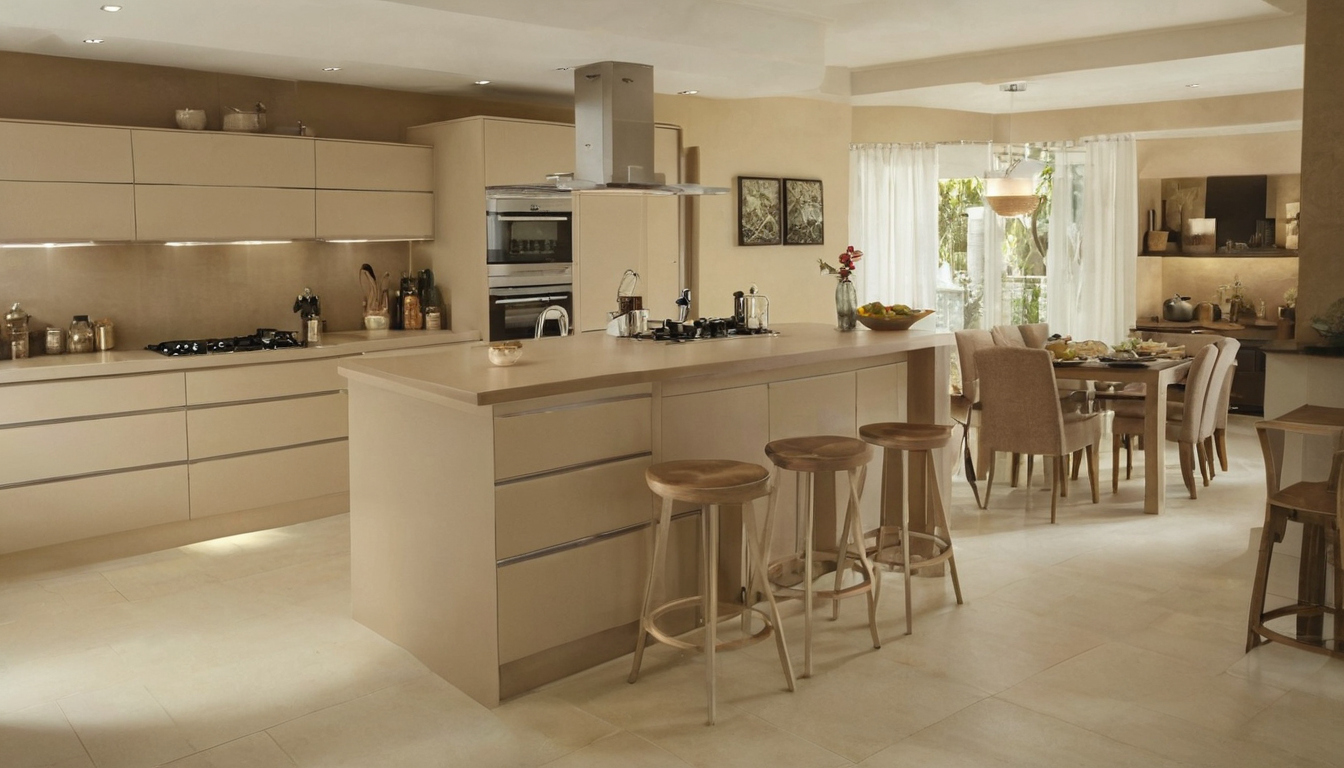
A like-for-like custom kitchen quotation compares scope before price shown as an editorial planning reference.
Lighting should also be defined by product and performance. ENERGY STAR LED guidance states that qualified LEDs use at least 75 percent less energy and last up to 25 times longer than incandescent lighting where those products apply.
How is a normalised kitchen quotation total calculated?
Use this formula: quoted total + documented omissions + adjusted allowances + tax not included = normalised comparison total.
- Record each base quotation.
- Add priced omissions by scope line.
- Replace unequal allowances with one comparison allowance.
- Add VAT only where excluded.
- Mark gaps without supportable prices as unresolved, not zero.
This extends the method used to compare Dubai interior design proposals beyond the headline fee. The next question is whether apparently similar cabinets are technically similar at all.
Cabinet construction and hardware gaps can make similar kitchens materially different
A cabinet price has little meaning unless each component has a defined material, thickness, finish, edge treatment and location. Carcasses, backs, shelves, fronts, exposed panels, sink units and tall units must be checked separately.
What must the cabinet board specification state?
Each board entry should name the manufacturer, product code, substrate, nominal thickness, surface finish and declared moisture-performance classification. It should define both faces and the material and thickness of edge banding on visible and concealed edges. Terms such as MDF, plywood, laminate, acrylic or veneer are insufficient without technical data and an approved sample.
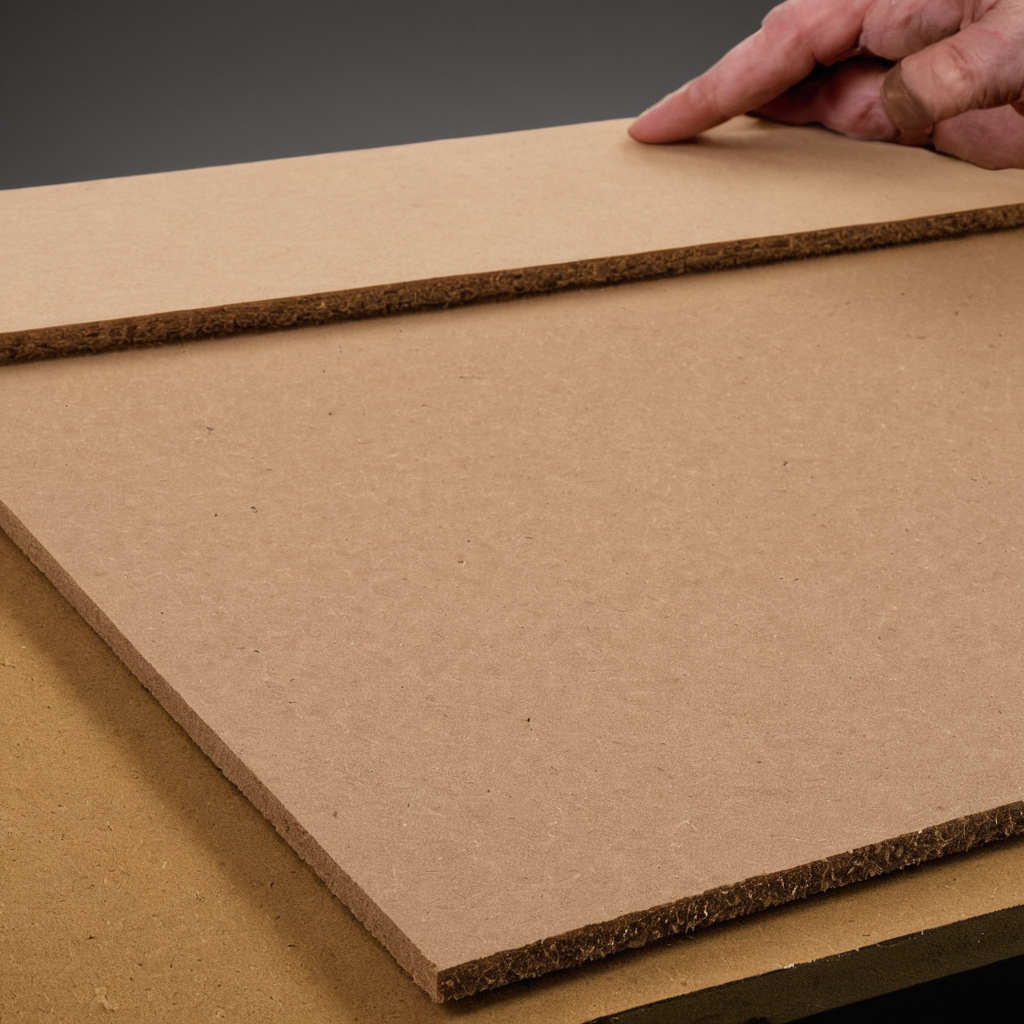
Cabinet construction and hardware gaps can make similar kitchens materially different shown with practical context cues.
Any fire, moisture or emissions classification must relate to the exact proposed product. Sink cabinets need defined protection around plumbing penetrations and suitable access. The EPA moisture guide identifies moisture control as central to limiting mould and advises drying retainable damp materials within 24 to 48 hours, subject to safe recovery.
Which cabinetry details are commonly omitted from kitchen quotations?
Common gaps include fillers, scribes, plinth returns, finished undersides, matching end panels, appliance closure panels and removable access panels. Quotations should also identify service voids, ventilation grilles, oven housings, cutlery trays, waste systems, pantry accessories and internal lighting. Unlisted items should remain unpriced.
Where natural stone appears as an inset, panel or adjacent finish, its care limitations should also be recorded. The Natural Stone Institute advises against acidic cleaners on calcareous stones such as marble and limestone because they can dull or etch the surface.
How should hinges and drawer systems be compared?
Replace “premium hardware” with a schedule stating manufacturer, product family or model, quantity and application. Hinges need an opening angle, overlay arrangement and closing function. Drawer systems need a load rating, extension type, runner length and internal organisation. Require warranty terms and confirmation of replacement-part availability.
Once cabinet construction is fixed, the price distortion moves to worktop fabrication and appliance installation.
Worktop and appliance quotations must include fabrication and installation interfaces
Product supply alone is not an installed kitchen. Worktop quotations must cover material and fabrication, while appliance schedules must allocate delivery, fitting, connection and commissioning.
Which worktop fabrication items should be measured separately?
The quotation should identify the manufacturer, product code, material type, finish, thickness and measured quantity. It should explain how the quantity translates into slabs or sheets, who owns remnants and whether matching the pattern changes the price.
- Material: square or linear metres, slab or sheet count, thickness and finish.
- Fabrication: templating, cutting, edge polishing, grooves, mitred build-ups and sealants.
- Interfaces: sink, hob, tap, socket and accessory cut-outs, plus joint locations.
- Installation: upstands, waterfall ends, exposed edges, transport, lifting and site fitting.
Natural stone needs product-specific care and sealer instructions. The Natural Stone Institute recommends neutral cleaner, stone soap or mild dishwashing detergent with warm water, subject to the supplier’s instructions.
Who is responsible for appliance fit, connection and commissioning?
The appliance schedule should record the brand, exact model, dimensions, electrical load, connection type, ventilation requirements and installation kits. Current manufacturer instructions should govern clearances and connections.
Label every appliance as supplier-installed, kitchen-contractor-installed or client-installed. Allocate unpacking, positioning, cabinet modification, electrical work, water, drainage, ducting or gas where applicable, testing, commissioning, warranty registration and the handling of delivery damage. A fitted appliance can remain unusable if nobody owns its final connection.
MEP work, ventilation and approvals require a written responsibility matrix
A kitchen quotation should identify who designs, approves, supplies, installs, tests and hands over every electrical, plumbing, drainage, ventilation, gas and fire-related alteration.
Which kitchen service changes must be priced explicitly?
Replace “MEP by others” with a responsibility ledger covering:
- Electrical loads, sockets, isolators, circuits, distribution-board changes and fixed connections.
- Water points, valves, appliance feeds, traps and drainage alterations.
- Extraction routes, grilles, termination points and builder’s openings.
- Gas, detection or suppression work where relevant.
- Testing, certification, labels, commissioning records and making good.
Plumbing leaks and other water problems should be repaired promptly, particularly around sinks and appliance connections, according to EPA guidance. Appointed contractors should verify current utility requirements against the actual loads and connections. If a product falls under an applicable UAE technical regulation, the supplier should confirm the relevant MoIAT conformity requirements.
When can Dubai building approvals affect a kitchen quotation?
Approval exposure depends on the property and alteration scope, particularly where work changes walls, waterproofing, drainage, electrical load, gas systems or façade penetrations.
- Name who prepares drawings, submissions, permits and inspections.
- Separate approval fees, deposits and resubmission costs.
- Obtain current rules from the relevant manager, developer, landlord or owners’ association.
The Dubai Building Code consolidates building-design requirements into a common framework, but its relevance depends on the building, alteration, permit route and competent authority. Wider projects should also consider Dubai villa renovation approvals and contractor checks.
Commercial exclusions, allowances and VAT can conceal the final kitchen cost
A quotation can look cheaper because it excludes delivery, access equipment, removal, protection, utility work, testing or VAT. Separate fixed prices, provisional sums and client-supplied items before acceptance.
Which kitchen quotation exclusions should trigger clarification?
- Demolition, removal and disposal.
- Delivery, parking, lifting, access and storage.
- Protection, cleaning, snagging and making good.
- MEP disconnection, reconnection, testing and commissioning.
- Approval fees and restricted-hours charges.
- VAT status and whether the total includes tax.
The quotation should state its validity period and every condition permitting a price change.
How should provisional sums and substitutions be controlled?
Each allowance should identify the item, quantity, value and markup applied when actual cost differs. Require written approval before substitution, supported by technical data, samples, warranty terms and the resulting price and programme change.
This control matters for boards, finishes and adhesives because building materials and related products can emit volatile organic compounds, with emissions depending on the individual product and its use, according to the US Environmental Protection Agency.
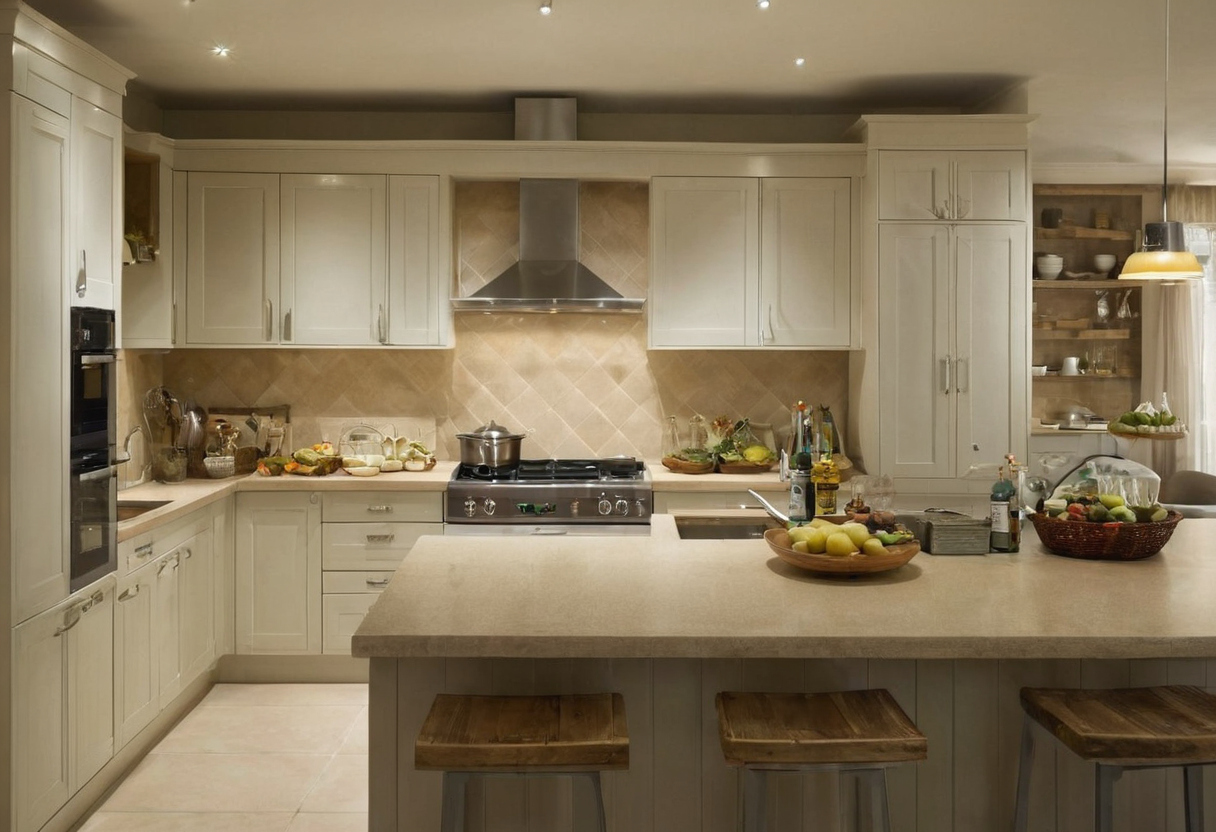
Commercial exclusions, allowances and VAT can conceal the final kitchen cost shown with practical context cues.
An adjusted comparison table reveals the real difference between kitchen bids
The adjusted ledger places each supplier beside one specification revision. Confirmed additions receive documented prices, while unresolved omissions remain visible rather than being filled with unsupported assumptions.
What should a three-bid kitchen comparison table contain?
This hypothetical ledger illustrates the method:
- Bid A: quoted AED 118,000; additions AED 14,000; lifting unresolved; adjusted total AED 132,000 plus unresolved scope.
- Bid B: quoted AED 127,000; additions AED 3,000; commissioning unresolved; adjusted total AED 130,000 plus unresolved scope.
- Bid C: quoted AED 134,000; no additions or unresolved scope; adjusted total AED 134,000.
Use identical lines for cabinetry, hardware, accessories, worktops, appliances, MEP, delivery, installation, approvals, VAT and warranty.
When should a homeowner reject the apparent lowest kitchen price?
Reject the apparent lowest price when materials remain unidentified, fabrication or MEP work is unpriced, completion responsibility is undefined, or deviations lack written confirmation. Payment exposure, uncertain lead times and restrictive warranty exclusions may also outweigh a lower total.
The final kitchen award should combine specification, delivery and warranty checks
A homeowner should award the kitchen only after every clarification appears in the final quotation, specification and drawings. The adjusted price must be tested alongside delivery, payment, installation and warranty obligations.
Which checks belong in the kitchen pre-award checklist?
- Freeze the scope: record approved revisions, departures, final price and VAT treatment.
- Approve samples: sign off finishes, edges, handles and worktop material.
- Test the programme: include survey, production, templating, delivery, MEP completion, snagging and handover.
- Control payment: link milestones to measurable deliverables rather than dates alone.
- Verify the supplier: record the contracting entity, trade-licence details and installation supervisor.
- Attach controls: include variation procedures, warranty documents and defect-reporting routes.
What must a useful kitchen warranty identify?
A useful warranty separates cabinetry workmanship, hardware, worktops and appliances. Each entry should name the provider, contact, start date, duration, exclusions and maintenance conditions. It should also allocate labour, access, removal, replacement and making good.
Handover should include care instructions, appliance documents, test records, cabinet keys and agreed spares. For natural stone, the Natural Stone Institute advises blotting spills rather than wiping them, subject to stone type, finish and sealing.
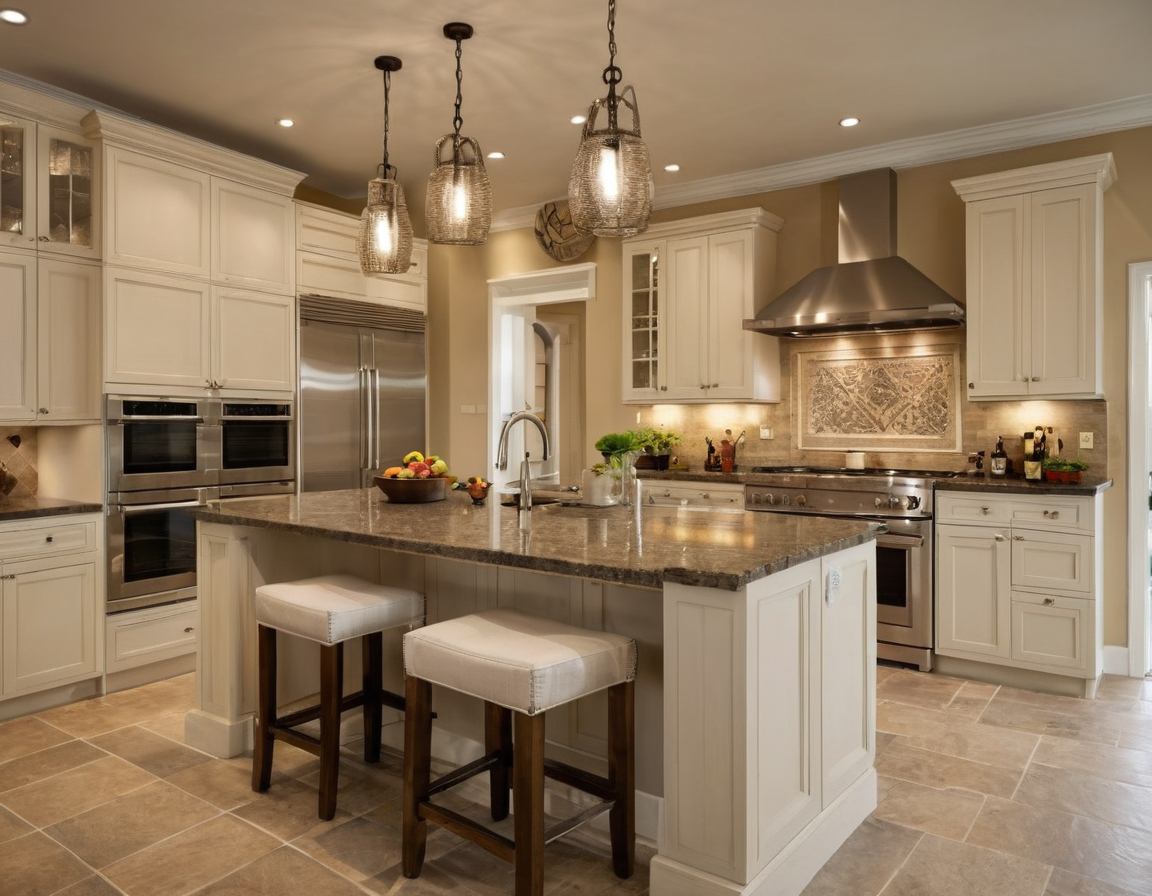
The final kitchen award should combine specification, delivery and warranty checks shown with practical context cues.
Frequently asked questions
- What is usually the most expensive part of a custom kitchen? There is no reliable universal answer. Cabinet quantity, finish, hardware, worktop, appliances and service alterations can shift the cost hierarchy.
- Can a reliable cost be estimated from a 10-by-12-foot room alone? No. Room size does not define cabinet runs, tall units, finishes, worktop fabrication, appliances or MEP changes.
- Should appliances, worktops and MEP connections appear in one quotation? They may be priced separately, but one responsibility ledger should show who supplies, installs, connects, tests and warrants each item.
- How can quotations with different board and hardware brands be compared? Compare product codes, thicknesses, classifications, quantities, functions, technical data, samples and warranties rather than brand descriptions alone.
- What must be confirmed before acceptance? Confirm VAT treatment, allowances, exclusions, substitution controls, payment milestones and component-specific warranties in writing.
The practical choice is not the supplier with the smallest opening number. It is the supplier whose complete obligations can be measured, priced and enforced.